
For decades, wine lovers assumed that Plavac Mali, the powerful red wine from Croatia’s Dalmatian coast, and Zinfandel, California’s beloved jammy red, were distant cousins. Some even believed Plavac Mali was the ancient ancestor from which Zinfandel had descended.
Then, in the late 1990s, DNA testing at UC Davis changed everything. The verdict? Plavac Mali is not the father of Zinfandel. It is the son.
To be precise, Plavac Mali is a natural cross between Crljenak Kaštelanski (the true Croatian name for Zinfandel) and an ancient, nearly extinct red variety called Dobričić. The father existed in Dalmatia for centuries. At some point, it crossed with a local grape and gave birth to the “Little Blue”—which is exactly what Plavac Mali means in Croatian.
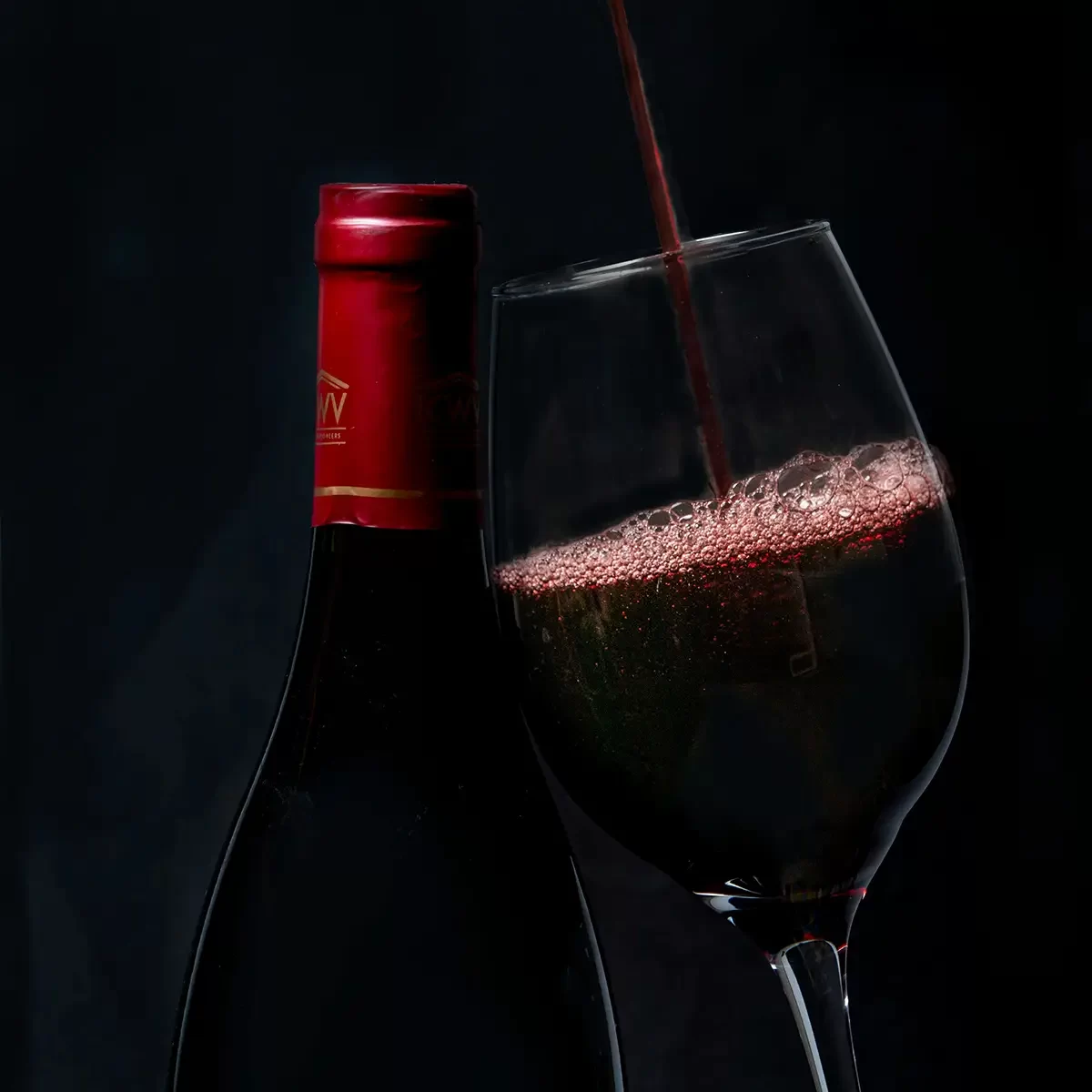
Plavac Mali vs. Zinfandel: Same Blood, Different Personality
Although they share DNA, terroir and time have shaped them into two very distinct wines.
Zinfandel greets you with open arms and a warm smile. On the nose, it is all blackberry jam and stewed plum – a sweet, sun-drenched richness that feels like a California afternoon. On the palate, the tannins are soft and round. It is juicy, easy-drinking, and designed to be loved from the first sip. Pair it with barbecue ribs or a burger, and you have a match made in heaven.
Plavac Mali, on the other hand, makes you work a little for the conversation. The aroma is more serious: dried figs, carob, wild rosemary, and an unmistakable briny whisper from the Adriatic Sea. On the palate, it is robust and structured, with a firm grip of tannin and alcohol that often climbs to 15-17%. This is not a wine for light salads. It demands slow-cooked beef stew (Pašticada) or a slab of aged Pag sheep cheese. Let it breathe for thirty minutes to an hour before serving, and it will reward your patience with layers of dark cherry, black pepper, and earth.
Why Does Plavac Mali Taste So Different?
The answer lies in the landscape. Dalmatian vineyards face what locals call “The Three Suns”: direct sunlight, reflection from the Adriatic Sea, and the harsh glare bouncing off white karst rock. This extreme environment produces grapes with thick skins, high sugar, and a distinctive salinity that California Zinfandel simply cannot replicate.
Plavac Mali grows on vertigo-inducing slopes in regions like Dingač and Postup on the Pelješac peninsula. These are some of the steepest vineyards in Europe. Harvesting here is done entirely by hand, often by workers roped to the hillside.

Plavac Mali Wine Region: Where to Find the Best Bottles
If you want to taste authentic Plavac Mali, look for bottles from these Croatian wine regions. Dingač, on the Pelješac Peninsula, was Croatia’s first protected wine region, established in 1961. Wines from here are powerful, age-worthy, and marked by dried fruit and salinity. Postup, also on Pelješac, produces a slightly more elegant and approachable style with softer tannins and brighter fruit. On Hvar Island, you will find a softer, more aromatic expression of the grape. And on Brač Island, small family producers make rustic, traditional Plavac Mali in tiny quantities.
Plavac Mali Food Pairing: What to Eat With Croatia’s King of Reds
This is not a wine for light salads. Plavac Mali demands food with weight and richness.
The classic pairing is Pašticada, Dalmatia’s iconic beef stew slow-cooked with prunes, bacon, and red wine. Lamb Peka – lamb roasted under a metal bell covered in hot coals – is another perfect match. The saltiness of aged Pag sheep cheese tames the wine’s tannins beautifully. Even something as simple as grilled squid with garlicky Swiss chard (blitva) creates a memorable contrast between charred seafood and the wine’s earthy power.
Pro tip: decant Plavac Mali for at least thirty to sixty minutes before serving. The oxygen softens its formidable tannins and reveals the layers of dried fruit and spice hiding beneath.
Frequently Asked Questions
Is Plavac Mali the same as Zinfandel?
No. Plavac Mali is a descendant of Zinfandel, known locally as Crljenak Kaštelanski, crossed with another ancient variety called Dobričić. They are father and son, not twins.
What does Plavac Mali taste like?
Expect aromas of dried figs, carob, wild Mediterranean herbs, and a distinctive salty, mineral edge. On the palate, it is full-bodied with firm tannins and flavors of dark cherry, black pepper, and earth.
Where is Plavac Mali grown?
Primarily on the Pelješac peninsula in the Dingač and Postup regions, and on the islands of Hvar and Brač in Dalmatia, Croatia.
How do you pronounce Plavac Mali?
PLAH-vahts MAH-lee. The “c” is pronounced like “ts” in English.
What is the alcohol content of Plavac Mali?
Due to the intense Dalmatian sun, Plavac Mali often reaches 15-17% alcohol by volume. It is a powerful, warming wine.
Discover the soul of Dalmatian wine with Split & Sip. Join us for a guided tasting in the heart of Split’s old town, where we bring the stories of Plavac Mali, Pošip, and Prošek to your glass. Book your experience at splitandsip.com.