
There is a particular kind of silence you hear in a vineyard untouched by chemicals. It is not an absence of sound – the crickets still hum, the Bura wind still rattles the dry stone walls – but it is a silence of deeper health. The soil breathes. The insects return. The vines dig their roots deep into the white karst rock, searching for the soul of the place.
In Dalmatia, organic wine production is not a marketing trend. It is a homecoming. For decades, the wine world chased bigger yields and darker colors. But a quiet revolution has taken root along this rugged coast. A new generation of winemakers is betting on sustainability, on organics, and in one very special case, on the cosmic rhythms of biodynamics. They are making wines that do not taste like manipulation. They taste like a clean sea.
Here are three organic wineries in Dalmatia that define this movement.
Vinarija Kriz: Croatia’s Only Certified Biodynamic Winery
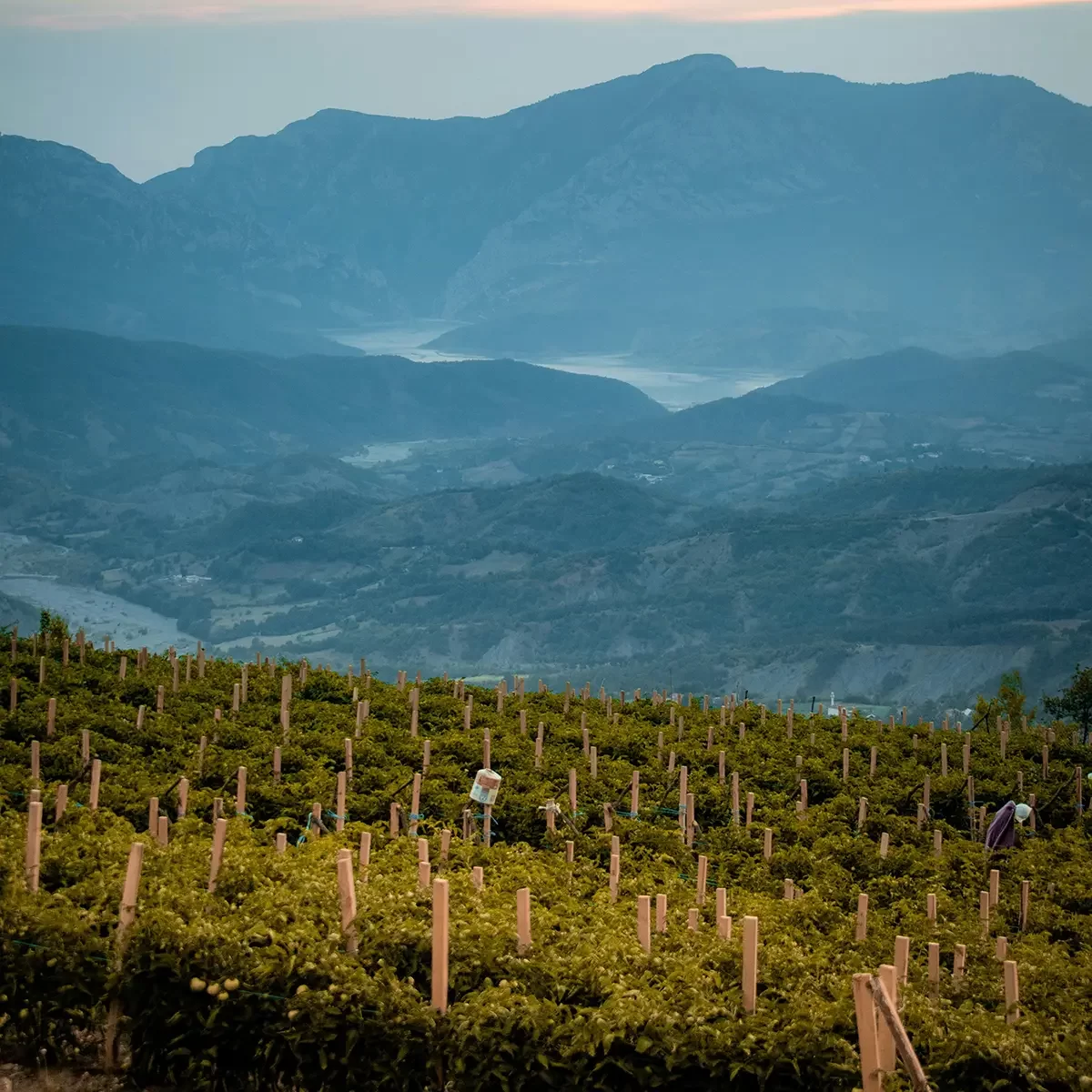
If Dalmatian wine has a secret laboratory, it is here on the Pelješac peninsula. Vinarija Kriz holds a unique distinction: it is the only certified biodynamic winery in all of Croatia.
This is the domain of Maja and Denis, a young couple who tend just two hectares of vines. Their annual production is tiny, between five and six thousand bottles. Each one feels like a rare manuscript.
Their approach is rigorous and poetic. They follow the lunar calendar for planting and pruning. They use herbal and mineral preparations to enliven the soil instead of synthetic sprays. Fermentation is 100% natural, relying only on the wild, indigenous yeasts that live on the grape skins and float in the coastal air. Their Plavac Mali ages in large Slavonian oak barrels. No vanilla, no toast. Just pure fruit and place.
This is viticulture as meditation. Every bottle is a hand-written letter from the vineyard. For wine lovers seeking biodynamic wine in Croatia, Kriz is the holy grail.
Boutique Winery Vicelić: The Wild Fermenters of Dingač
Drive deeper into Pelješac, up the winding road that clings to the cliffs of Dingač, and you will find the small kingdom of the Vicelić family. This is the heartland of Plavac Mali, where the Three Suns beat down on terraces so steep they would make a mountain goat nervous.
Since 2017, Vicelić has held organic certification, but their philosophy goes beyond a stamp on a label. Everything is harvested by hand on some of Europe’s most dramatic vineyard slopes. In the cellar, they practice spontaneous fermentation with indigenous yeasts only. No commercial yeast packets. They trust the invisible life of their own vineyard. No synthetic chemicals touch the vines or the soil.
Vicelić also offers private tastings paired with fresh Ston oysters, pulled from the bay visible from the winery. The salinity of the oyster and the saline, figgy power of their Plavac Mali is a pairing that stops time. Vicelić is a guardian of the Dingač tradition, but they protect it with a modern, eco-conscious heart. Their organic Plavac Mali is clean, alive, and fiercely honest.
Rizman: The Pioneers of Purity in Komarna
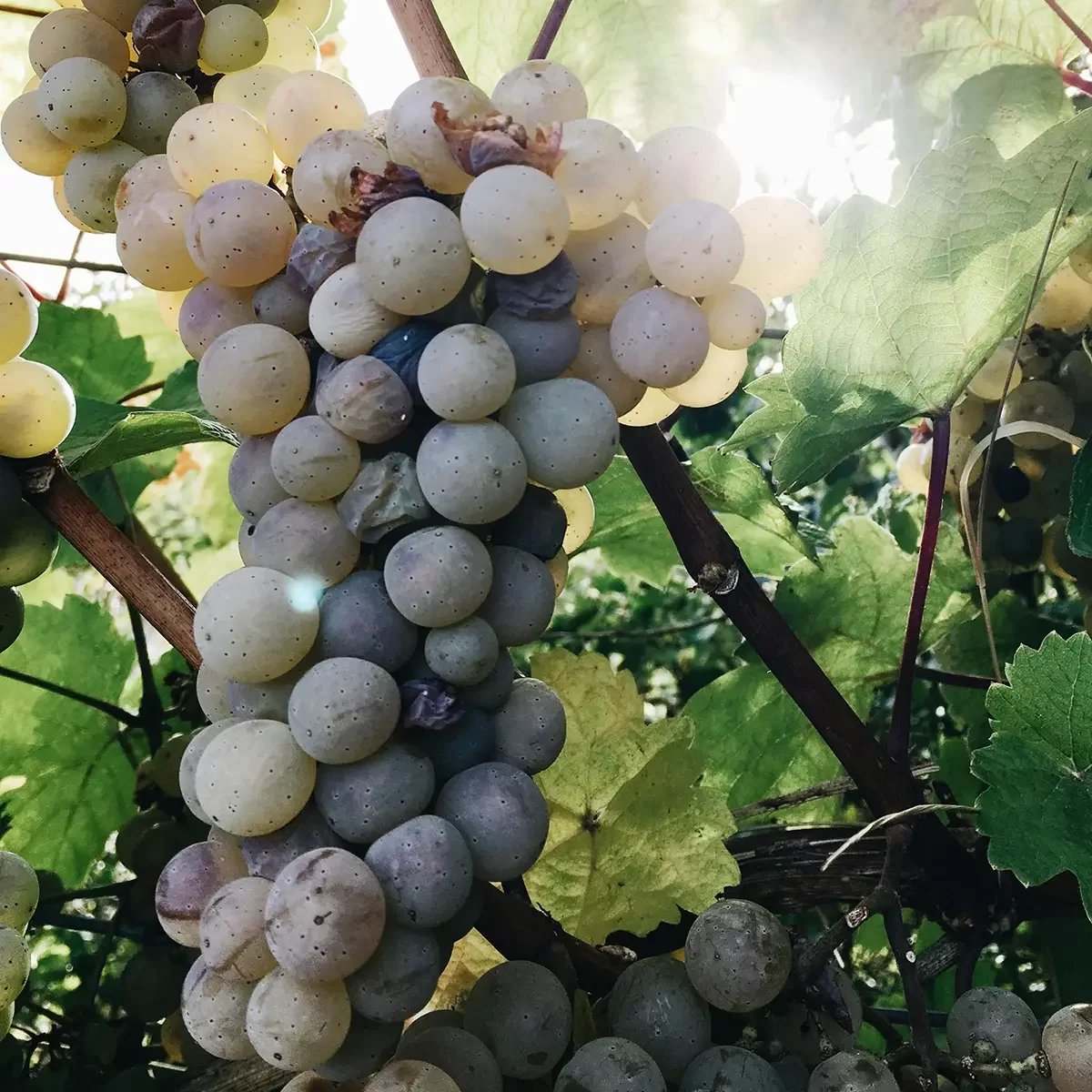
A little further south, where the vineyards of Komarna slope gently toward the Neretva Delta, you will find Rizman winery.
The Štimac family planted their first organic vines here in 2006. But they did not keep their methods to themselves. They were the driving force behind making the entire Komarna wine region organic.
Today, Rizman cultivates 22 hectares without herbicides or pesticides. Ninety percent of their plantings are indigenous Dalmatian varieties: Plavac Mali, Pošip, and the rare, ancient Tribidrag, which is the original Zinfandel. They rely on native yeasts for fermentation, allowing the specific microflora of the Komarna hillside to shape the character of every wine.
Rizman proves that sustainability scales. A medium-sized winery can lead by example, making pure, mineral-driven wines while protecting the land for the generation coming next.
More Organic Wineries Worth Knowing
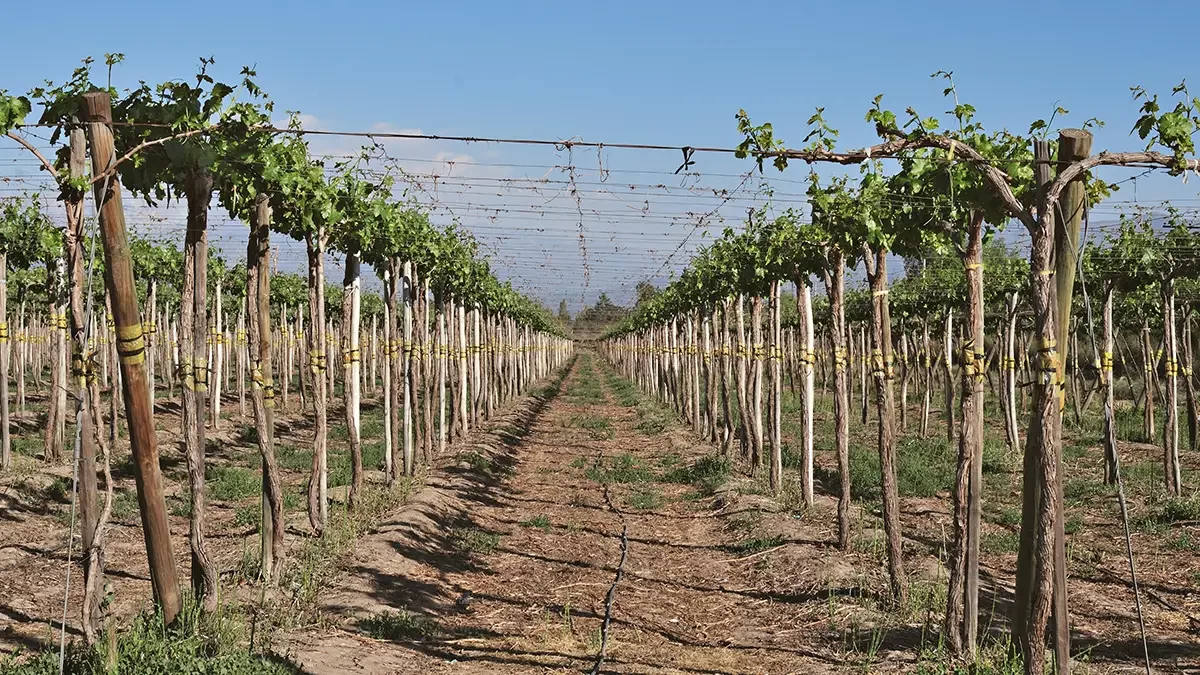
Vinarija Kriz, Vicelić, and Rizman are just the beginning. Baraka, in the Šibenik hinterland, produces organic Babić and Debit with a blend of tradition and modern technique. Boškinac, on Pag Island, pairs organic reds and whites with the island’s famous lamb and cheese. The movement is growing.
Frequently Asked Questions
What is the best organic winery in Dalmatia?
All three featured wineries—Vinarija Kriz, Vicelić, and Rizman—are exceptional. Kriz is unique as Croatia’s only certified biodynamic producer. Vicelić offers an intimate Dingač experience. Rizman leads the organic movement in Komarna.
Are there organic wine tours from Split?
Yes. Several tour operators offer day trips from Split to Pelješac and Komarna for organic wine tastings. Ask about visits to Kriz, Vicelić, or Rizman when booking.
What does organic wine mean in Croatia?
Certified organic wine in Croatia follows EU standards: no synthetic pesticides or herbicides in the vineyard, and restricted additives in the winery. Many producers go further with natural fermentation and minimal intervention.
Is Croatian wine sustainable?
Increasingly, yes. The trend toward organic and biodynamic viticulture is growing rapidly in Dalmatia, led by producers like Kriz, Vicelić, and Rizman.
Taste the purity of Dalmatia’s organic wine movement with Split & Sip. Our guided tastings feature small-production, sustainable wines from Croatia’s most passionate producers. Join us in Split’s historic old town. Book at splitandsip.com.