
Dalmatian Wine: A Complete Guide to Croatia’s Coastal Vineyards In Dalmatia, we don’t really make wine; we just sort of accompany it. The vine has been part of the furniture here since the Greeks planted the first cuttings 2,400 years ago. The secret? We call it “The Three Suns.”
The first sun is the one pouring down from the sky. The second is the one bouncing off that infinite mirror we call the Adriatic Sea. And the third—the most treacherous and wonderful of all—is the glare reverberating off the white karst rock. The grapes don’t just ripen here; they practically toast with life. That’s why Dalmatian wine has that distinct saline character and that power reminiscent of dry mountain herbs just after a summer storm.
This Dalmatian wine guide will walk you through everything you need to know: the native grapes, the most important wine regions, and how to taste Croatia’s coastal wines like a local.
Native Dalmatian Grapes: The Heart of Croatian Wine
What makes Croatian wine so distinctive? The answer lies in the vineyard. Over 85% of Dalmatia’s vineyards are planted with native varieties—grapes you will not find anywhere else in the world.
Plavac Mali: The King of Dalmatian Red Wines
Plavac Mali is Dalmatia’s most important and prestigious red grape. The name means “Little Blue” in Croatian, a nod to the small, dark berries that pack enormous concentration. Expect aromas of dried figs, carob, wild Mediterranean herbs, and a distinctive briny, mineral finish. It is full-bodied, with alcohol often reaching 15-17% and firm, structured tannins. The key regions are Dingač and Postup on the Pelješac peninsula. Pair it with Pašticada, the iconic slow-cooked beef stew, lamb peka, or aged Pag cheese.
Fun fact: DNA testing revealed that Plavac Mali is a descendant of Zinfandel, known locally as Crljenak Kaštelanski, and the ancient variety Dobričić. They are father and son, not twins.
Pošip: The Noble White of Korčula
Pošip is Dalmatia’s most celebrated white grape, originating on the island of Korčula. It produces wines with body, freshness, and a pronounced mineral character. The taste profile leans toward citrus, green apple, almond blossom, and a salty, stony edge. It is medium to full-bodied with crisp acidity and ages beautifully. The key regions are Korčula, particularly the villages of Čara and Smokvica, as well as Pelješac and Hvar. Pair it with grilled white fish, oysters, or seafood risotto.
Babić: The Red of the Rocks
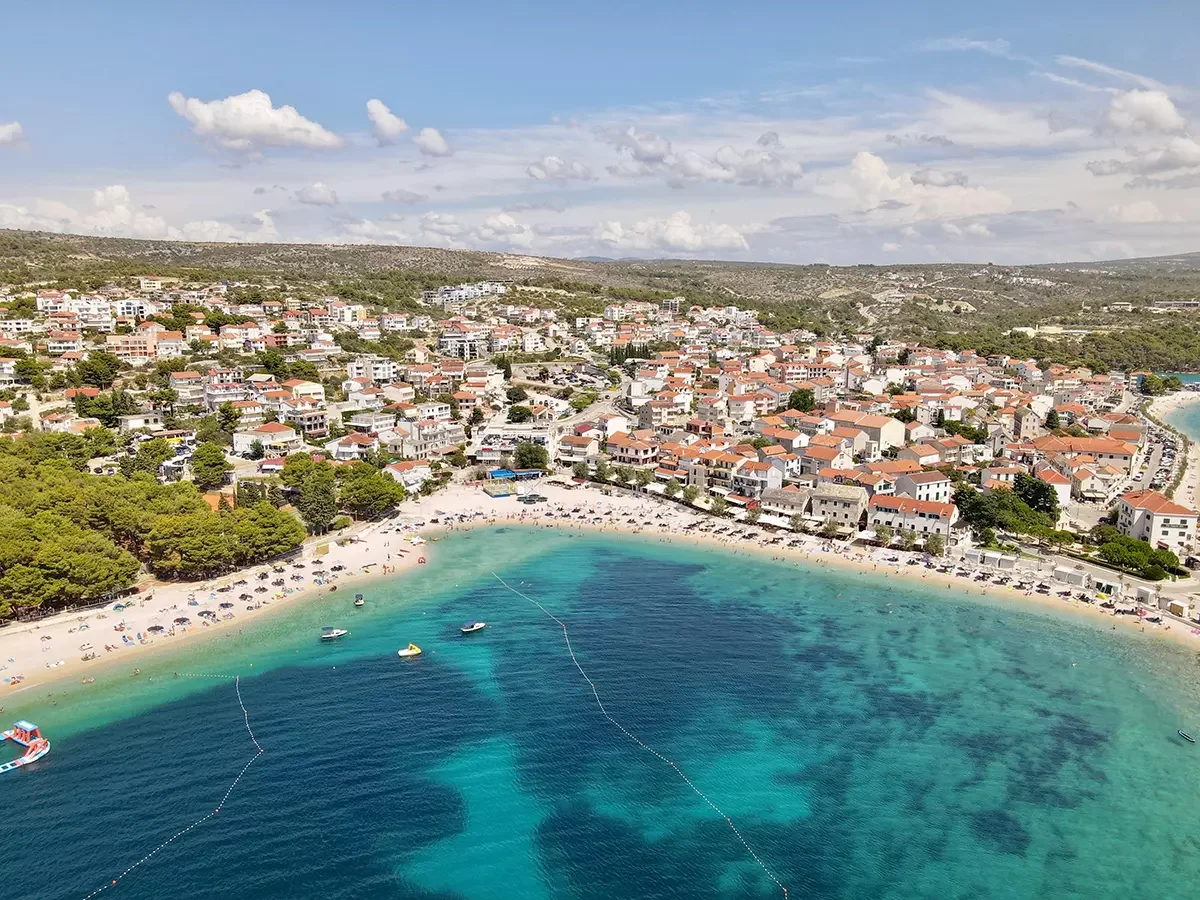
Babić thrives in the harshest, rockiest soils of northern Dalmatia, particularly around Šibenik and Primošten. The struggle produces wines of remarkable intensity. Expect sour cherry, wild berries, Mediterranean scrub, and earthy notes. It is medium to full-bodied with bright acidity and rustic charm. Pair it with grilled lamb, cured meats, or hard cheeses.
Other Native Dalmatian Grapes Worth Knowing
- Vugava, from the island of Vis, is a white grape that produces honeyed, full-bodied wines with notes of dried apricot.
- Grk, from Lumbarda on Korčula, is famously saline and mineral, and it requires “husband” vines for pollination due to its functionally female flowers.
- Maraština, found throughout Dalmatia, is floral and almond-scented, versatile and food-friendly.
- Debit, from the Šibenik hinterland, is crisp, herbal, and refreshing.
- And Tribidrag, also known as Crljenak, is the original Zinfandel, still grown in Kaštela and Komarna.
Dalmatian Wine Regions: Where to Find the Best Wines
Dalmatia stretches from Zadar in the north to Dubrovnik in the south, encompassing hundreds of islands. Here are the most important Croatian wine regions you need to know.
Pelješac Peninsula: The Cathedral of Plavac Mali
Pelješac is the spiritual home of Plavac Mali. The peninsula juts into the Adriatic north of Dubrovnik, its steep, sun-blasted slopes producing some of Croatia’s most powerful red wines.
Dingač was Croatia’s first protected wine region, established in 1961. Wines from here are robust, age-worthy, and marked by dried fruit and salinity.
Postup, just nearby, produces a slightly more elegant and approachable style with softer tannins and brighter fruit.
Wineries to visit include Vicelić, Vinarija Kriz, Matuško, and Saints Hills.
Hvar Island: Sun, Lavender, and Wine
Hvar is famous for its nightlife, but its wine tradition runs just as deep. The island’s southern slopes are home to some of Dalmatia’s oldest vineyards. Key grapes include Plavac Mali for reds, and Pošip and Bogdanuša for whites.
Wineries to visit include Tomić, Zlatan Otok, Duboković, and PZ Svirče.
Korčula Island: The Birthplace of Pošip
Korčula is the kingdom of Pošip, Dalmatia’s noble white. The vineyards around Čara and Smokvica produce Pošip with exceptional minerality and aging potential. Key grapes are Pošip and Grk.
Wineries to visit include Pošip Čara, Bire, Toreta, and Krajančić.
Vis Island: The Wild Beauty
Vis was closed to foreigners for decades as a Yugoslav military base. This isolation preserved ancient vineyards and unique varieties like Vugava. Key grapes are Vugava for whites and Plavac Mali for reds.
Wineries to visit include Lipanović, Senjanović, and Roki’s.
Komarna: The New Frontier
Komarna is one of Croatia’s youngest wine regions, but it has quickly gained a reputation for quality and organic viticulture. Key grapes include Plavac Mali, Pošip, and Tribidrag.
Wineries to visit include Rizman, Terra Madre, and Volarević.
Dalmatian Wine Tasting: How to Drink Like a Local
Understanding Dalmatian wine is as much about context as it is about the liquid in the glass. Here is how to taste like someone who grew up with the sea in their veins.
Red Wines (Plavac Mali, Babić) Serve at 16-18°C, slightly cooler than room temperature. Decanting is highly recommended. Give Plavac Mali thirty to sixty minutes to breathe. The oxygen softens its formidable tannins and reveals layers of dried fruit and spice. Use a large Bordeaux-style glass to allow the wine to open up. This is not a wine for light salads. Pair with slow-cooked meats, grilled lamb, or aged cheese.
White Wines (Pošip, Vugava, Grk, Maraština) Serve at 10-12°C, chilled but not ice cold. Decanting is not necessary, but older Pošip benefits from a few minutes of air. Use a medium-sized white wine glass to capture the saline aromatics. Seafood is the natural partner: oysters, grilled fish, octopus salad, black risotto.
Prošek: The Sweet Finale Serve at 12-14°C in a small cordial glass or white wine glass. You sip, not swig. Pair with Pag cheese, paprenjaci spiced cookies, or simply alone as a meditation.
Where to Taste Dalmatian Wine in Split?
Split is the perfect gateway to Dalmatian wine. But with so many options, where should you start?
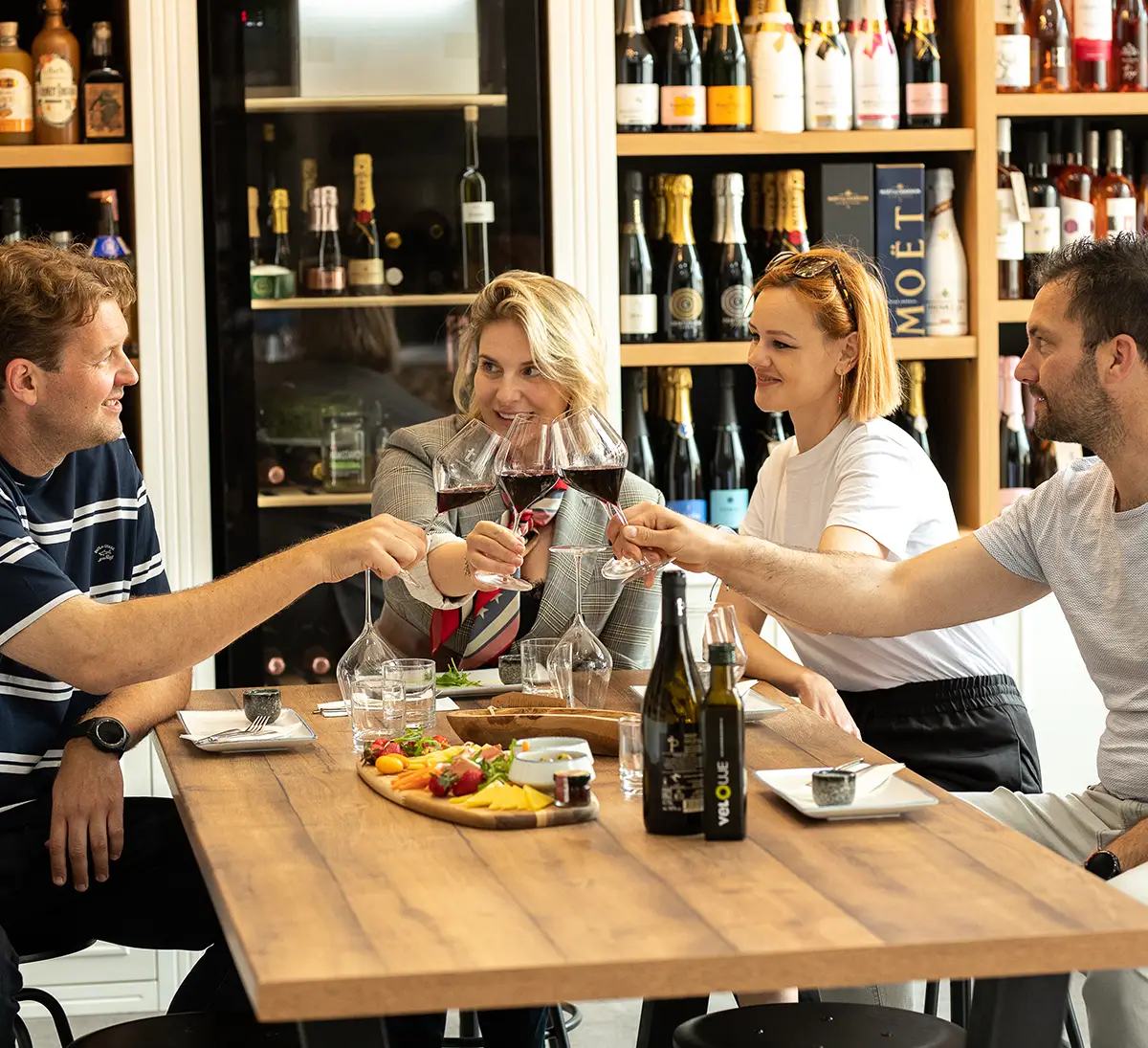
Start Your Journey with Split & Sip If you want to understand Dalmatian wine without the guesswork, Split & Sip is your answer. We are a guided wine tasting experience located in the heart of Split’s old town, just steps from Diocletian’s Palace. We hand-pick wines from small, family-run wineries across Dalmatia—bottles you will not find in supermarkets or tourist traps.
Every pour comes with a story. You will learn about the Three Suns, the Zinfandel connection, and the winemakers behind each label. Our groups are small, the atmosphere is relaxed, and there is no rush or crowd. Just good wine and good conversation. We live and breathe Dalmatian wine, and if you need recommendations for the rest of your trip, we have you covered.
Our tastings feature Plavac Mali from Dingač and Pelješac, Pošip from Korčula, organic and biodynamic wines from producers like Kriz and Rizman, and Prošek for a sweet finish.
Exploring Beyond Split
Once you have tasted the essentials with Split & Sip, you might want to venture further. Day trips from Split can take you to Hvar Island, a one-hour ferry ride away, where you can visit wineries like Tomić and Duboković. Brač Island is only fifty minutes by ferry and offers rustic Plavac Mali from small family producers. The Pelješac Peninsula is a two-and-a-half-hour drive south and is the ultimate pilgrimage for Plavac Mali lovers.
But start with us. Let Split & Sip be your compass for everything that follows.
Ready to discover Dalmatian wine? Join Split & Sip in the heart of Split’s old town. We bring the stories, the wines, and the warm Dalmatian spirit to your glass. Book at splitandsip.com. Živjeli! (Cheers!)